
Every Code.
Every Update.
One Source.
The digital field binder for environmental health professionals. Code references, HACCP templates, violation documentation, and certification prep — cross-referenced and jurisdiction-aware.
Trusted by 4,200+ inspectors across 38 states · No spam, ever
Referenced Regulatory Authorities
- FDAFood & Drug Administration
- CDCCenters for Disease Control
- WHOWorld Health Organization
- USDADept. of Agriculture
- EPAEnvironmental Protection Agency
- NEHANatl. Environmental Health Assoc.
- ANSIAmerican Natl. Standards Institute
- NSFNSF International
- AIBAIB International
- OSHAOccupational Safety & Health Admin.
- FDAFood & Drug Administration
- CDCCenters for Disease Control
- WHOWorld Health Organization
- USDADept. of Agriculture
- EPAEnvironmental Protection Agency
- NEHANatl. Environmental Health Assoc.
- ANSIAmerican Natl. Standards Institute
- NSFNSF International
- AIBAIB International
- OSHAOccupational Safety & Health Admin.
4,200+
Active Inspectors
38
States Covered
2,257+
Code References
99.1%
Accuracy Rate
72hr
Hrs to Toolkit Delivery
Food Safety & FDA Model Food Code
The 2022 FDA Model Food Code governs temperature controls, employee health policies, and facility design standards across all retail food operations.
FDA
Federal Authority
CDC
Epidemiology & Outbreak
USDA FSIS
Meat & Poultry Oversight
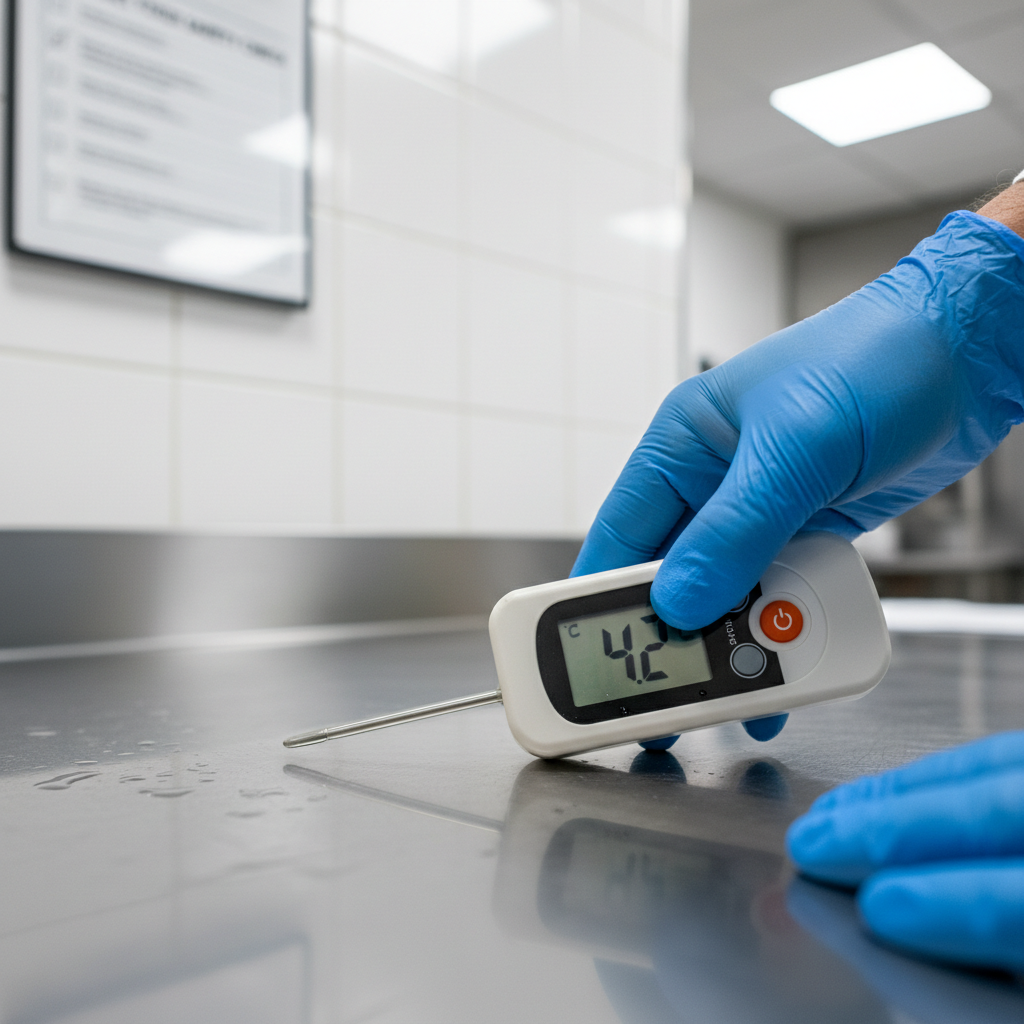
The 2022 Model Food Code establishes a Temperature Danger Zone of 41°F–135°F (5°C–57°C). Potentially Hazardous Foods (PHFs) must not remain in this range for more than 4 cumulative hours. Cold holding requires ≤41°F; hot holding requires ≥135°F. Cooking temperatures vary: poultry at 165°F for 1 second, ground meats at 155°F for 17 seconds, and whole-muscle intact beef at 145°F with 3-minute rest.
Full temperature matrix with time-temperature tables available in the Toolkit.Section 2-101.11 requires a designated PIC during all hours of operation. The PIC must demonstrate knowledge through certification, compliance history, or direct examination. Under the 2022 code, PIC certification must be from an ANSI-accredited program. Failure to maintain a qualified PIC is a Priority Foundation violation.
Full protocol available in the Toolkit.Variances under §3-502.11 are required for operations like smoking, curing, acidification, and sous vide. The operator must submit a HACCP plan, demonstrate scientific justification, and receive written approval. Regulatory authorities have 30 days to respond under most state adoptions.
Full protocol available in the Toolkit.Violation Classification & Appeal Procedures
Understanding the three-tier violation framework — Priority, Priority Foundation, and Core — is essential for accurate scoring and defensible enforcement actions.
State Health Dept.
Primary Enforcement
ANSI
Certification Standards
County EH
Local Jurisdiction

Priority violations directly contribute to foodborne illness risk factors — improper cooking, inadequate cold holding, contaminated equipment. Priority Foundation violations are management and personnel practices that, if uncorrected, create conditions for Priority violations. Core violations are general sanitation issues. Priority violations require immediate corrective action; Priority Foundation violations require correction by the next inspection.
Full violation matrix with scoring weights available in the Toolkit.Appeal procedures vary by jurisdiction but typically require: (1) written notice within 5–10 business days of the order, (2) submission of a corrective action plan, (3) a reinspection fee. Most states allow operations to continue during appeal only for non-imminent hazard closures. Imminent hazard closures — contaminated water supply, sewage backup, pest infestation — are not stayed pending appeal.
Full protocol available in the Toolkit.Repeat violations within a 12-month inspection cycle trigger escalated enforcement in most jurisdictions. Documentation must include: prior inspection date, identical violation code citation, photographic evidence, and a narrative linking the previous corrective action to the current failure. This chain of documentation supports permit suspension proceedings.
Full protocol available in the Toolkit.Get the complete Inspector's Toolkit
Violation checklists · HACCP templates · Temperature logs · Appeal scripts
HACCP Plans & Critical Control Points
Hazard Analysis Critical Control Point (HACCP) plans are mandatory for specialized processes and recommended best practice for all food service operations.
CODEX
International HACCP Standard
FDA
Seafood & Juice HACCP
USDA
Meat & Poultry HACCP
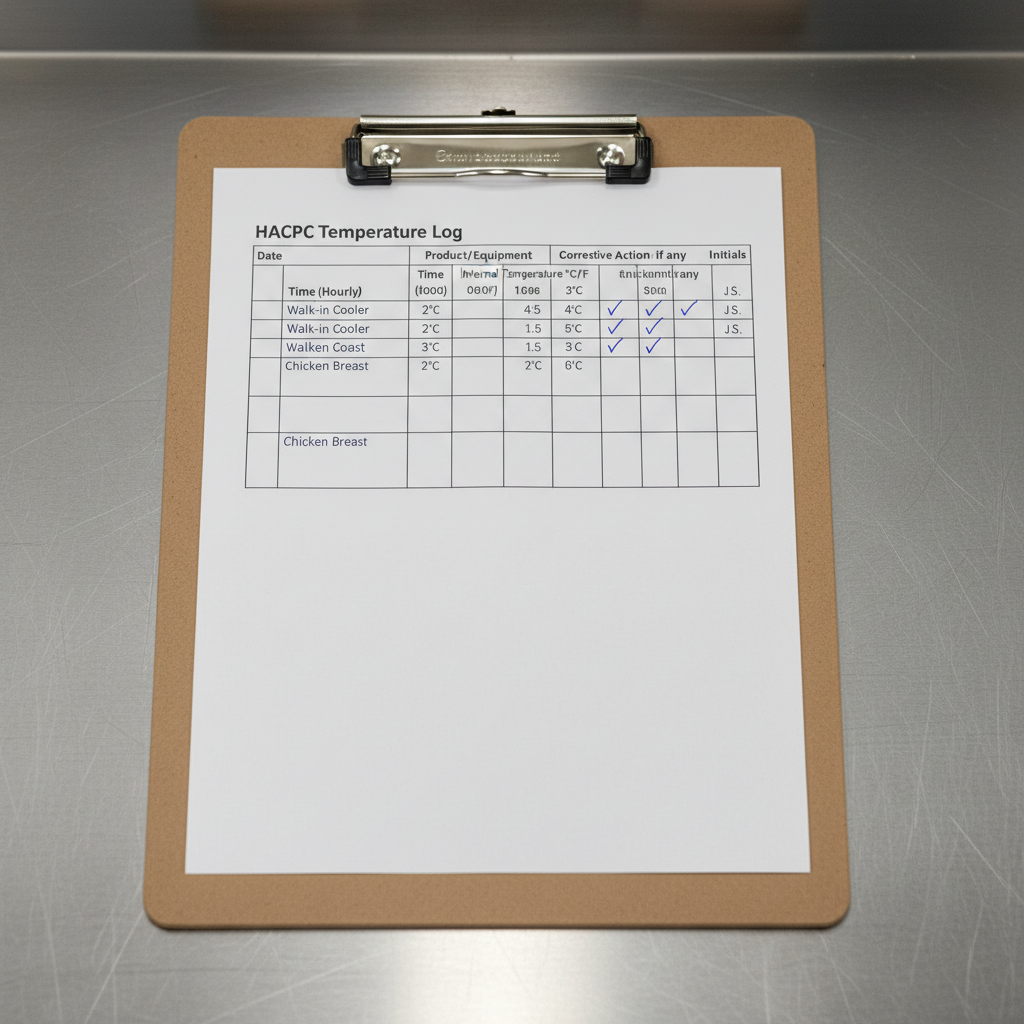
The seven HACCP principles are: (1) Conduct a hazard analysis identifying biological, chemical, and physical hazards; (2) Identify Critical Control Points (CCPs); (3) Establish critical limits for each CCP; (4) Establish monitoring procedures; (5) Establish corrective actions; (6) Establish verification procedures; (7) Establish record-keeping and documentation procedures. Retail operations typically identify cooking and cold holding as primary CCPs.
Full HACCP flow templates for 12 operation types available in the Toolkit.Critical limits must be measurable and based on scientific validation. For a cooking CCP, the critical limit is the minimum internal temperature-time combination that achieves the target log reduction of the pathogen of concern. The regulatory authority must approve critical limits that deviate from Model Food Code defaults. Documentation of scientific basis is required.
Full protocol available in the Toolkit.The 2022 Model Food Code requires that HACCP monitoring records be reviewed within 7 days of creation by a supervisor or PIC. Records must be retained for a minimum period specified by the regulatory authority — typically 90 days to 1 year depending on the process. Inspectors should request records covering the past 30 days during routine inspections.
Full protocol available in the Toolkit.Aquatic Facility Standards & Pool Inspections
Pool and spa inspections require mastery of water chemistry parameters, bather load calculations, and Model Aquatic Health Code (MAHC) compliance.
CDC MAHC
Model Aquatic Health Code
APSP
Industry Standards
State EH
Local Adoption
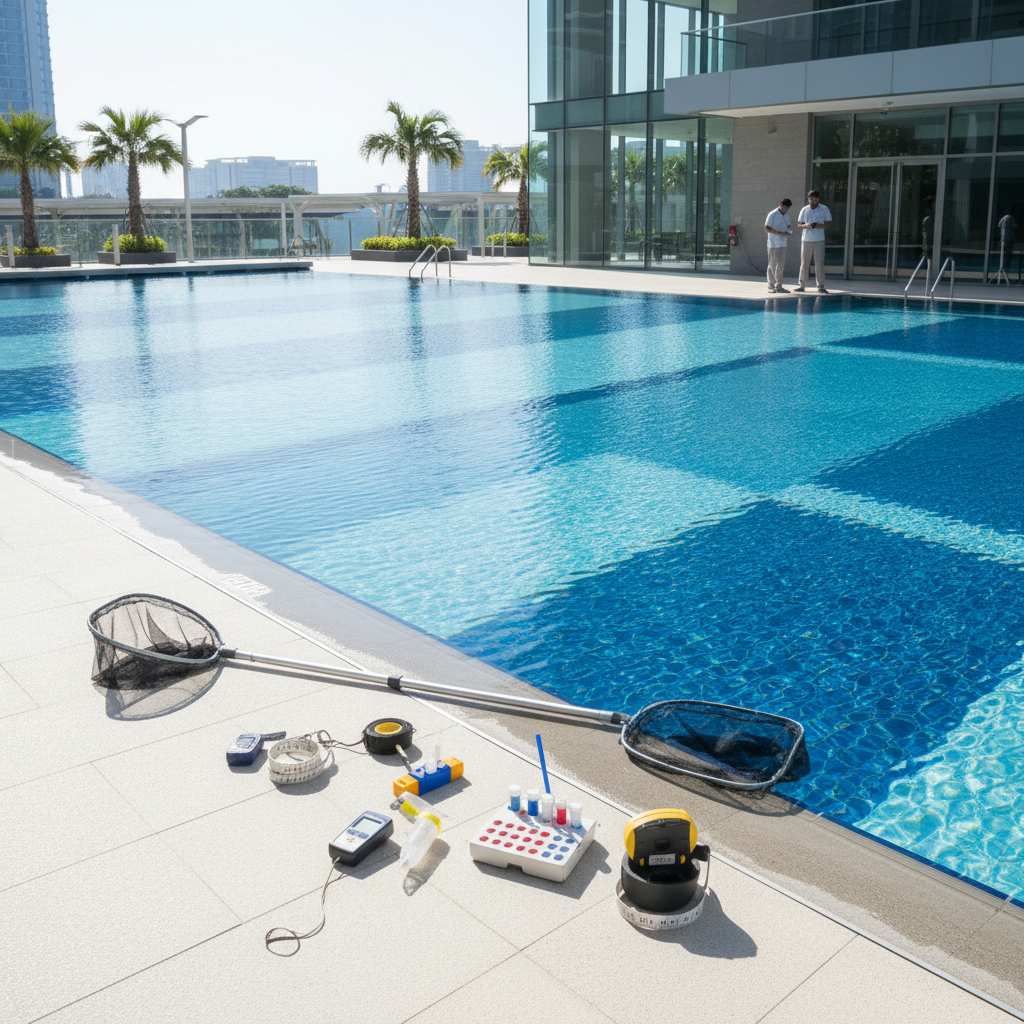
CDC MAHC 2nd Edition recommends: Pools — 1–10 ppm free chlorine; Spas/hot tubs — 3–10 ppm; Wading pools — 1–10 ppm with more frequent testing. Combined chlorine must not exceed 0.4 ppm. pH must be maintained at 7.2–7.8 for chlorine efficacy. Cyanuric acid (stabilizer) must not exceed 90 ppm in outdoor pools.
Full aquatic inspection checklist available in the Toolkit.Immediate closure triggers include: free chlorine below minimum (≤0 ppm in pools), pH outside 6.5–8.0 range, fecal or vomit contamination event, main drain cover missing or non-compliant with ANSI/APSP-16, water clarity failing the Clarity Test (inability to see main drain from deck), or confirmed Cryptosporidium outbreak.
Full protocol available in the Toolkit.Bather load is calculated using the Turnover Rate method: pool volume (gallons) ÷ turnover rate (hours) ÷ 30 gallons per bather per hour = maximum bathers. Additionally, deck space limits apply: 15 sq ft of water surface per bather in pools, 10 sq ft in spas. The lower of the two calculations governs.
Full protocol available in the Toolkit.Get the complete Inspector's Toolkit
Violation checklists · HACCP templates · Temperature logs · Appeal scripts
Every Domain. Fully Indexed.
Food Safety
FDA Model Food Code 2022, temperature matrices, employee health policies, and allergen protocols.
Violation Documentation
Standardized violation write-up forms, corrective action scripts, and closure order documentation.
Pool & Spa
MAHC 2nd Edition parameters, bather load calculators, and aquatic facility inspection forms.
Housing Inspection
International Property Maintenance Code references, lead paint screening, and habitability standards.
Institutional Facilities
Hospital kitchen inspections, school cafeteria codes, nursing home food service, and manufacturing floor HACCP.
Certification Prep
REHS and CP-FS exam prep questions, study guides, and state-specific regulation summaries.
Trusted by inspectors who can't afford errors.
“InspectHub is the first resource that actually mirrors how we work in the field. The violation documentation templates alone saved my team hours every week. When the 2022 Model Food Code dropped, the annotations were live within 48 hours.”
Dr. Patricia Okafor
Director of Environmental Health Services
Cook County, Illinois · REHS, DAAS
All reviewers
The complete field binder, digitized.
Every resource a working inspector needs — cross-referenced, jurisdiction-aware, and updated when the codes change. Trusted by department heads in 38 states.
4,200+ inspectors enrolled
From 38 states and counting
Free: Model Food Code Summary PDF
Email only — no toolkit required